Introduction
With the recent demise of the Kilkenny senior hurlers in the Leinster Championship, the Kilkenny Development Squad system has come into sharp focus, spiced by the perceived notion that it was an unusual early exit. This notion is not entirely true, and the statistical fallacy is a result of using data for an agenda. Yes, in the current system of round robin it is early when taken in the context of winning the last six Leinster’s. The reality is, that over the history of the Leinster Championship, this year is the same as getting knocked out in the Leinster Semi-Final, 7 weeks prior to an All-Ireland final. It’s happened many times before. The last time was last in 2017 and since then, Kilkenny have reached 8-in-row Leinster finals and won 6-in-row. Not that I’m saying it is a good thing, but context is important. Grief takes on a lot of forms and sometimes logic and fact play second fiddle for a period.
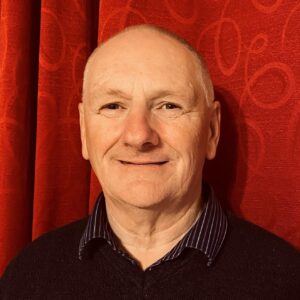
When disappointing events happen in sport, supporters can become angry and this often leads to misunderstanding and misinformation, some of which can be deliberate to satiate someone’s personal agenda. Over the years, questions over the Development Squads or Academy as it is also known, have often occurred. I have never heard a local media outlet ask any of the Development Squad coaches their thoughts on specific criticism. I am the Kilkenny Development Squad coach with the longest involvement having started my commitment back in 2007 as a coach in the South with the youngest group, the Under-14s. I guess now people, especially those who use anonymous handles on various social media platforms have the name and identity of the individual who has brought Kilkenny hurling to its knees in 2026.
This article is not here to defend Development Squads. That would be a fruitless waste of literary energy. No, this article is to tell the story, my story of a Kilkenny Development Squad coach, who was proud and honoured to be involved at all times while also remembering, it was his hobby. People can then take the facts away and make their more informed judgments guided by their own personal agendas. Facts are facts, opinions are mine. This is a fully transparent article. History will judge.
[Warning: This is a long article]
2007
In 2007, the Development Squads took the form of a north and south sections at Under-14. Each club nominated three players to join the appropriate squad. Yes, there was debate and club politics and on occasion, more were permitted. However, every coach I know also tracked progress at club level. I went to some games to see a player and there was hardly anyone from the home club there. Yet, it was enjoyable studying a player discreetly. A bit of a rush when you were able to approach the club team manager and say you wanted to see that player at the next squad session.
There were eight set sessions approximately every second week which usually brought you from April to the end of July. At that point, the Tony Forristal selectors would start looking at selecting their 24-player panel for the prestigious two-day (at that stage) Tony Forristal Tournament in Waterford at the end of August. This was the dreamed of All-Ireland for an Under-14 hurler in Kilkenny and a huge honour for family and Club, if selected.
The sessions started with a warmup, using a hurley and ball as much as possible and then focussed on set skills drills provided by the Games development committee and concluded with a match and a warm down. It was all practical. The refreshments at the end consisted of a Mars bar and a bottle of Lucozade Sport. Some players could eat several Mars bars, if available. The vast majority of players were extremely courteous, mannerly and pleasant. The coaches got a Kartel Kilkenny GAA T-Shirt as their reward that year. I was delighted with the honour of being allowed coach the best players in Kilkenny at Under-14 and the bonus of being rewarded with a Kilkenny GAA T-Shirt. Of course I could have bought one, but presented with one, to a humble Kilkenny GAA person, was way better. It was the honour, love and passion of Kilkenny hurling that fuelled all the coaches, not just me. A T-shirt was the icing in a time that was much simpler.
I had been asked by my Piltown club colleague and namesake, Jim Norris to join the squad coaches having trained various underage Piltown teams for the previous 4 years and the senior footballers the previous year (to relegation!). I had a foundation course and was safeguarded. I had hurled for three decades for Windgap, Kilmore (Dublin) and Piltown. When I was still a minor in Windgap, I player/managed the minor football team. We won the Coolagh Pattern tournament with no help from any adult. When I was 19, I was on the management of the Windgap under-16 and minor hurling teams that reached the club’s first ever league and championship finals at those grades. At college in Waterford RTC, I did a course in training an athlete to international level, led by ex-Irish rugby international, Johnny Moloney. I had background, but no hurling honours at inter county level. To be honest, at that time, I’m not sure any of that mattered. I was willing to do the job with enthusiasm and passion and could be trusted.
At that time Brendan O’Sullivan was the development officer for the county board and he made coaches welcome. I remember one year he got the great Tom Walsh of Thomastown to act as a session inspector. I was delighted he was there and enjoyed a conversation with him while also nervous as to whether I was doing a good job. The other South coaches were the previously mentioned Jim Norris, Pat Power (Slieverue), Michael Duggan (Mullinavat) and John Drennan (Ballyhale Shamrocks). All passionate GAA people. Richie Reid, TJ’s brother, was the player that went on to achieve the most out of that south group in 2007, though at the time you would not have predicted it. The lads told me TJ was very similar at that age and look at his career. The best player in 2007 and greatest player in my time in the Squad system was Richie Hogan (Danesfort). Unfortunately, I didn’t get to coach him as he was with the Under-16s at that stage. Probably fortunately for him. It was really obvious he was an immense and exciting talent and he deserved and earned every success he achieved. The first squads’ game I saw him play was an Under-16 match in Piltown versus Cork. He was pure class.
A bonus in 2007 was that the south squad got to represent Kilkenny and play a Leinster Blitz in Croke Park. It was both exciting and terrifying. The terrifying bit was that I had just been released from hospital suffering from kidney stones. Physically it was a testing day, but I was prepared to put my body to the test for such an honour. On the Croke Park sideline with a Kilkenny team! To be on that sideline with any Kilkenny team, is something that should fill any Kilkenny hurling supporter, and that’s what I am, with incredible pride. In addition, the team was managed by Jim Lyng (Three Castles) an absolutely brilliant and under used coach and like so many of the coaches I worked with, a genuine hurling gentleman. He was an astute operator who had as much focus on the player not in possession as the player in possession.
Overall, in 2007, we played six matches as a south squad, three of them in the aforementioned blitz to complement the eight-training sessions. Then for that last month, the Tony Forristal Management team took the best from the north and the south to create their panel for the National Day. I was not part of that scene in my first year. Clearly, most of a player’s development was not provided by the Development Squads. Was this an issue that would later affect Kilkenny hurling? Maybe the eye was taken off the ball long before anyone realised it, when we consider the development years of the “golden generation” of Kilkenny hurlers.
At the end of the year, Brendan O’Sullivan would do a review with all the coaches. It was hurling people talking hurling and a good bit of banter. Noel Skehan, at that time, the record senior All-Ireland medal holder always had some humour to add. For me it was an honour to be in the same room as him as a coach, even if I didn’t agree with everything he said. Every year there was always a bit a banter of when were we getting the suits. I really don’t think any of the coaches wanted a suit, but it was a running joke alongside the serious stuff of keeping Kilkenny great and the challenges ahead as society was changing in the aftermath of the financial crash. We were always asked if we wanted to move up or down to another grade for the following year. At that time, I was happy to learn my trade with the Under-14 grade and I was learning from so many great coaches and characters, some I will mention anon.
Facilities
When I started with the Development Squads, the clubs provided the facilities. We rotated through places like Thomastown (my first session 25 April 2007), Mullinavat, Mooncoin and Piltown. The clubs all had good dressing rooms and well-kept pitches. What more was needed for those 8 sessions. The groundsmen were brilliant and always helpful, though not all club people would be of the same thought when the Squads came to town. However, 20 years later, one would have to consider this again. Clubs have excellent facilities all over the county. Bringing sessions to a club rather than a sterile training centre/centre of excellence brings the game and the thought process to the clubs. Coaches and club members have the opportunity to connect better with the county setup. Rotating the geography of the sessions allow clubs to see first-hand, what is going on and improve at all levels while singing off the same hymn sheet. Development Squads and Clubs need to work in unison for success. Maybe taking away some of the centralisation will have that benefit and maybe funds could be directed elsewhere.
Recently, while at a Development Squad match in Dunmore between Kilkenny and Dublin Under-15, a number of Dublin people commented to me, how good the facilities are in Dunmore. Yet, Kilkenny people tend to knock it as insufficient and lacking investment. “The Dump”, they call it! To be honest, I did too until I listened to the Dublin viewpoint. Dublin has nothing from a Development Squad point of view. As big as Dublin is, they do not have a GAA centre of excellence, even though their footballers won 6-in-a row All-Ireland titles. Like us, and our glory years, maybe you don’t need a centre of excellence with centralised training sessions. Limerick have dominated hurling for the last number of years are only planning one now. Top of the range facilities owned by the county board were not an ingredient of their success either. Wexford have one but are not really showing success on the field from it. Carlow allegedly have one, but I’d much prefer the dressing rooms in Dunmore than the portacabins in Fenagh. Pitches, A pitch is a pitch!
Of course some will point to the third level facilities like SETU, and UL. These are taxpayer facilities not facilities provided by the county boards of the respective counties. You pay for them, whether you like the GAA or not. It is unfortunate that Kilkenny does not have a third level facility, but it is part of SETU although the two major sports facilities are geographically based in Carlow and Waterford. We are not going abroad when we use them. People need to stop making Kilkenny GAA coaches feel guilty for using them and instead question why SETU (Department of Education) hasn’t provided a similar campus in Kilkenny, the home of hurling and our national sport! It would also be nice to have some sessions in Waterford instead of Carlow for the convenience of the southern clubs.
I do wonder about the sense of the plan to put up to five more pitches in Dunmore. Smaller facilities in the North of the county and another in the South would be a wiser investment in the promotion of the game throughout the county, not to mention convenience of access around the county. It will bring the squads back to the clubs. It seems people have forgotten or do not understand what they do.
Evolvement
In 2008, the DJ Carey School of hurling commenced in St. Kierans College. This became a new opportunity for Under-14 players to get Kilkenny game time against other Leinster opposition and obviously a great opportunity for hurlers from other counties all over Leinster. Kilkenny would field 6 teams in midweek matches, three from the north and three from the south. With the south being the weakest and the third south team overall holding that “honour”, I had the honour and I mean that, of managing that team in 2008. It didn’t matter that it was the weakest squad. It was a challenge and I hoped there was someone that would develop against the odds. Kevin Blanchfield (Bennettsbridge) who went on to hurl senior for Kilkenny was on that team (beaten by Kildare 8-18 to 1-1). Six panels of about 20 players. Do the maths. It was a great opportunity for boys of varying ability. Was it diluting the elite nature of Development Squads? Ask the parents. Most of them felt that their son was elite and all these boy’s got opportunities. About 1 in 3 players up to the age in the county got the opportunity to wear that Kilkenny jersey in any year. Less than 9% of that made it to senior over the last 20 years. Based on that, making the senior team is a massive achievement. Many of the others are still passionate about Kilkenny because of that opportunity. They are supporters, administrators, coaches and some long-standing club stalwart players. It amused me in an ironic way when people claimed the Development Squads were missing players. Kilkenny is a small county. It lies 21st of the 32 counties in population. Based on population Kilkenny were always punching above our weight. We are still well clear in the senior hurling roll of honour and well up in all the underage competitions. As much as people want to believe, there are no players missed in Kilkenny or hidden under a rock in Leac An Sceil! Development Squad coaches are competitive, they are not overlooking players. If a player can contribute positively, they want him. GAA is a game of opinions. One person’s idea of what a positive contribution may not be another’s. Some look for skills, some for attitude, some for strength, some for speed, some for intelligence. Ideally, they have all those attributes, but no underage player is like that. Not even TJ Reid was like that.
In 2009, the top counties were permitted to enter their second team in the Sonny Walsh Under-14 tournament in Waterford for the first time. This became my opportunity to become involved with a county Kilkenny team as well as the south selection. Pat Power of Slieverue took the manager role. Another excellent coach. I would have played against Pat back in the day and our sons, passed through the squad system together a few years later. The vast majority of squad coaches will not manage their own sons but if you are there long enough, they can pass through for one year and so it was for our sons. There is nothing wrong with it if you have a few years’ experience, appreciating what the squads mean to other parents and the requirement of fairness regardless of who you are. Following your son as coach through Development Squads is frowned upon and rightly so. However, no coach is expected to walk away from a voluntary role, just because a son passes through for a year. Again, Kilkenny is a small county. I’m sure I was accused of nepotism in 2012, but let’s follow this story through, before judging.
The second Sonny Walsh team in 2010 did not win it out but as a single squad probably contributed more county senior players in the future than any other Kilkenny Under-14 squad. Darren Brennan (St. Lachtains), Conor Browne (James Stephens), Luke Scanlon (James Stephens), Billy Ryan (Graigue Ballycallan) and Shane Walsh (Tullaroan). Yes, the second Kilkenny team, yet they were developed enough to make first choice players as adults! They all played on the same Kilkenny senior panel at one stage. A one-point defeat to Tipperary cost them a place in the second-tier final.
Coach Development
The Development Squads continued to evolve to meet growing needs. The county became three sections, north, south and central. More coaches, more opportunities to see players and let them embrace the faster paced county training. The number of sessions increased though not dramatically as did the number of matches, many of them blitz matches and therefore not a major increase in the number of match days. As coaches, we were always developing our skills. I was learning from the other coaches naturally, but there were many opportunities presenting themselves to develop and understand, physical conditioning, mental preparation, nutrition and skills development. Some areas I enjoyed more than others.
In 2010, Brendan O’Sullivan and Brían Ryan visited Arsenal in London to learn from other sports and their academy. They brought back the concept of SAQ (Speed, Agility, Quickness). SAQ training drills were enthusiastically introduced into the planned scheduled sessions. Personally, I would have loved to have been back doing SAQ training myself. I had done Fartlek and interval training in college, but not with the as much focus on the technicalities of running. We just swung our arms and legs in the eighties. In 2014, we introduced the Gaelic-15 warmup routines which were designed for injury prevention. This too became part of the scheduled agenda. I wasn’t a huge fan of it, but accepted it was based on science and there to help players avoid injury, therefore it was important. Coaches did in time adjust and customise it to suit hurling. We as coaches thought things through and adjusted as necessary. I also took every opportunity to attend coaching workshops so as I could pick up knowledge from various experts. Most coaches did. The annual National Coaching Conference was always a fabulous event. Our own Martin Fogarty in his role as National Hurling Development Manager for the GAA, was always a speaker. An entertaining speaker, passionate about developing the game all over the country. There is nobody more passionate about spreading our national sport than Martin Fogarty. Again, he is a man I am delighted to be acquainted with. We even play an odd bit of social hurling together! It was not just Kilkenny men or hurling men who told a brilliant story, others included Brian Cuthbert (Cork), Brendan Cummins (Tipperary), Niall Moyna (Dublin) and Keith Ricken (Cork) to name a few. Even people from other sports like Stuart Lancaster (Rugby) contributed a world of knowledge at these events. Sometimes it was information overload, but I was sponge.
Any thought that coaches did not get or take opportunities to expand knowledge is wide of the mark and void of substance. However, even with all this knowledge, the time with the players in the squad system was far too short to make huge gains in their development. We never had players long enough to implement all that we were learning. We had more knowledge than we could use. The maximum number of set sessions was up to about a dozen and then you were into picking panels and teams for the tournaments and the focus moved from development to delivery. When you were with the Sonny Walsh, you had to wait until the Tony Forristal management had picked their panels and hope that they missed a “gem”. The schools were demanding of players time up to the middle of May. Post primary schools develop lads academically, but their purpose on the hurling field is to win games. They don’t have the player long enough either to consider developing hurlers. Academia is their function. That’s their priority in development. That is the main purpose of education. If there was an important school’s match, players were asked not to train with the squads. We as coaches had no scope to ignore the requests.
Parents wanted their children too. Holidays during the Squad season took players away. Some parents still had money to take multiple summer breaks. Irish College in June/July was another nightmare. Usually deprived a player of two weeks of development at both club and county at the height of the season. Who can argue with a parent who wanted to educate their child to be the best they can be academically. Not all parents were as passionate about hurling as the Development Squad coaches. For some it was just a badge of honour more than a passion. Around this time the buzz phrase was “Player Welfare”. They would also ask that the player does not train as between club, school and different sports, he is after playing “eight” times that week. Squads is the one chosen for the rest day! Player welfare was the go-to weapon in these cases and you just couldn’t argue. Yet another blocker for the Development Squads role in development.
Bord Na nÓg fixtures did not help. They still don’t. It was regular that a club asked that a player should not train with the squads because they had a league match coming up or played one the previous evening and needed a rest. It was not unknown for a Bord Na nÓg fixture to be fixed for the Monday before the National Competitions day in August. I remember a Tuesday on one occasion. The clubs were catering for more than the county player but at the same didn’t want to be deprived of the county player. Club coaches always carried more power than Development Squad coaches and we had to be seen a co-operative. Maybe this is right, but as is evident throughout this article the onus of development of players falls back to the club coaches. Are they ready for it?
Even, with todays “split season”, the competition for inter-county underage development against schools and clubs is still there. Split season is not serving the underage setup. It’s not a problem if either the schools or clubs or both accepted their development roles and their importance and influence. Those that are in favour of doing away with Development Squads must see at this point that they do not have much time or influence with the players. Therefore, are they really the problem or should we look at solutions where the Development Squads are expended, during the split season?
The truth is the institution which has the players the most to develop them, is the Club. Something a lot of club members totally forget. Unfortunately, we were heading into an era of paid coaches for adult teams and some of the best, were from Kilkenny naturally enough. The better club coaches were in the coaching job market. Many doing the circle of different clubs, both inside and outside the county. After the crash, for many it was essential income for many of them. This was the society hurdle. Kilkenny does not have the population to export so much talent. Who would turn down a paying coaching job to develop young hurlers in their own club? No money there! The better club coaches and more marketable coaches were now for hire and a huge void was being left in underage club development. Also, the attraction of being a Development Squad coach was dwindling. A t-shirt or a jacket or raingear or an endless supply of Mars bars was not considered sufficient compensation. Even a lovely feed in Langton’s after a match would not suffice. The paid coaches were not there, like I and many others, for the love of Kilkenny hurling. Yet many of these who deserted their county are the names lauded by the general public when it comes to, “He’d be a great Kilkenny manager or coach”! This is something that was being missed by all. Ask Waterford, you don’t always get what you pay for. If you know any of them, ask them if they would give up their paying coaching role for a voluntary Development Squad role? I understand, people have to support their families and pay the mortgage.
It is at this point, it is worth mentioning somebody who has contributed way beyond and for more years than I care to mention, Joe Pyke made everything happen behind the scenes when it came to logistics. Hurleys, balls, meals, buses, drinks, bars, bibs, cones. Joe deserves huge recognition for his contribution to Development Squads. I think I would talk for anyone who managed a Development squad team when I say Joe is a legend who did a time committed job in the background in a brilliant way.
Success
Like any competitive person. Winning games will put you on an unbelievable high. From 2012, Kilkenny underage teams were extremely competitive. In 2012, my son Jamie was in the squads which added to the pride. The Sonny Walsh team was managed by Lar McEvoy (St. Pats, Ballyragget), he was joined by myself, his own clubmate James “Pigeon” Dowling” and Tommy Brennan (Erins Own). All have become great friends, but Lar in particular was a great character and I’m sure anyone who has played for Lar will have a wonderous story to tell. Of all the coaches I worked with nobody exceeded Lar when it came to caring about every single player who turned up to the squad system. It broke his heart if he thought a player didn’t get a fair opportunity with Kilkenny Development Squads. You need somebody like Lar to keep the balance and help us remember it is a hobby and pastime that should be enjoyed.
Jamie made the Sonny Walsh squad. Thankfully the other coaches picked him, not me, but he was well deserving of his place. We were playing Galway and trailing and we made a triple substitution. On came Jamie Norris, Andrew Parson (James Stephens) and Martin Keoghan (Tullaroan). They turned the game on its head and we beat Galway. We were playing Cork in what was effectively a semi-final. Cork went through a period when, if they thought their best team could not win the Tony Forristal, they played their stronger players in the Sonny Walsh. Check their Sonny Walsh roll of honour versus Tony Forristal in this period to validate. I think the tactic affected their development and probably a major factor in their failure to win an All-Ireland for over 20 years. We were up against it. We went with the same tactic and left the three lads on the sideline. In hindsight we were too slow to pull the trigger against Cork and time ran out, but I was very proud of Jamie and young Keoghan has done very well since coming from a Kilkenny Under-14 second team, now that he is better known as Mossy with an All-Star award thrown in!
In 2013, Lar, myself and “Pigeon” led Kilkenny to our first and only Sonny Walsh title. We were joined by Jim Neary (Dicksboro). I believe to this day that this was probably one of my biggest achievements on the sideline. A second Kilkenny team (remember our population) winning a national title. We beat Waterford in the final. It was the biggest winning margin in a final Sonny Walsh final ever, 3-14 to 0-3. An added bonus was that my nephew Darragh Walsh was wing back on that team and he later went on to play minor for Kilkenny.
An interesting story was the panel selection for that Sonny Walsh. The Tony Forristal management were even slower than normal to finalise their panel. We had time for one trial, but to be fair the 24 players were pretty much picking themselves based on the sessions. However, one of the Forristal players, got injured, so they took one of our players. We needed to figure out a replacement. There was a young lad from Thomastown, Stevie Weymes who had come back from the first team as a midfielder. He did not impress us a midfielder. However, the night Lar, “Pigeon” and myself were in the dressing room in Thomastown finalising our 24-player panel, Jim Neary had gone to a club match featuring Thomastown. We rang Jim, to tell him that we had lost one of our key players to the Forristal panel and what was his thoughts on the new 24th man. Jim quickly suggested Stevie who was playing in the match he was viewing. He said this young lad is a brilliant full forward. We didn’t really care as we expected him just to make up the panel number. Stevie was in! After one or two training sessions, that we got in before the tournament, our opinion of Stevie was changing. He was a full forward and not a midfielder! We and the Forristal management had been putting the piece of the jigsaw in the wrong place. It culminated in a Man of the Match performance in the Sonny Walsh final where he scored 3-1. He had gone from at least the 49th best under-14 in the county to an All-Ireland Man of the Match, thanks to a Development Squad coach going to a club game. Personally, I do think out of all the squad coaches I worked with, Jim Neary was the shrewdest. I learned so much from him and yet he had a manner that he made you feel like you were the genius. One simple example was he said the goalposts are always in the middle and they don’t move. Yet when managers are picking underage teams, the last two on the sheet are usually the two corner forwards. Then the midfielders, usually the best players, are told play the ball into the corners, the theoretically 14th and 15th best players on the team! Sensible? Not! Jim had other ideas. Maybe that’s how Graigue Ballycallan produced players like Adrian Ronan and Eddie Brennan.
My reward was to be brought up to the Tony Forristal management team in 2014, with two very passionate Kilkenny GAA men, John Buggy (Erins Own) and Simon Walton (Dicksboro). It was also the first year I took on the physical preparation of a team which was a very fulfilling challenge. This was a squad that got me very excited very early. Challenges against Galway and Limerick in July clearly showed me this squad was very special. A demolition job against Cork in another challenge on the Kells road in early August confirmed it. They went on to complete the year unbeaten culminating in winning the Forristal final beating Galway 2-16 to 2-5. I was now the first and only Kilkenny coach to be part of both a Sonny Walsh and Tony Forristal winning management team and it had been achieved in successive years.
One might be forgiven for thinking at that stage, that Kilkenny dominance would continue for years. However, when you look at those 48 players from the two victorious panels, only Mikey Butler is currently a regular on the Kilkenny senior panel and these players are now in their adult prime. Conor Heary (O’Loughlin Gaels) and Dean Mason (Ballyhale Shamrocks) have had bit parts while Colm Whelan (Thomastown) went the soccer route and is now a key player with Bohemians FC. Did we do something wrong? Was it too early to peak? Or was it a case of what happened next was not right? Food for thought.
In 2015, we had another brilliant Tony Forristal team. Not as good as 2014, but I strongly fancied them, Unfortunately, they came up one point short against a strong Cork team in the semi-final. A last gasp brilliant shot by great prospect at that time, Ciaran Brennan (Bennettsbridge) went an inch over the bar instead of an inch under. My personal three in a row was gone. Cian Kenny (James Stephens) was a product of this squad. In 2016, we again lost to Cork in the semi-final. Interestingly, the 2016 mix was not considered as good as previous years, yet it produced current Kilkenny panellists Aidan Tallis (Lisdowney), Liam Moore (Dicksboro), Padraig Moylan (Dicksboro) and Ian Byrne (Glenmore). More evidence that lack of underage success and even promise doesn’t necessarily indicate lack of long-term talent. Underage success was always a bonus and to be enjoyed on those occasions for what it is.
2017 saw a new management. To my mind it was probably the most talented management team I worked with. It included DJ Carey, the best possible skills coach. He was top notch in that respect. Jim Neary, the aforementioned shrewdest coach I worked with, Tommy Brennan (Erins Own) who brought loads of underage experience, Gavin Nolan (Conahy Shamrocks) new to the scene and myself. The numbers would suggest over the previous few years, I wasn’t too bad, was I? Unfortunately, sometimes, a dream management team is not always enough and it turned into a nightmare as we were effectively knocked out by Laois. Billy Drennan (Galmoy) has been the nearest to a senior inter county panellist from that squad. After several years of successful panels. It was a huge disappointment for me. Everyone in fact. Billy and several others did win Kilkenny’s last Under-20 All-Ireland in 2022. Nobody gives up on players in Kilkenny no matter how disappointing events can be. I remember talking to the group after the Laois defeat and promised it would not and should not define them.
2018, saw the return to the management team of John Buggy and Simon Walton along with Richie Minogue (James Stephens). The panel was good but nothing like the 2014 or 2015 panels. Yet we reached the final again where once again we fell to Cork in the final 3-6 to 2-15. Well known players in this panel were Gearóid Dunne (Tullaroan), Harry Shine (Dicksboro) and Killian Corcoran (Ballyhale Shamrocks). For the first time, I along with all the management moved on with the team. The Arrabawn was now an Under-15 competition. It may not have been a good idea. The squad had regressed for some reason and were beaten by Galway in the semi-final and Dublin in the third place play off. They did not seem to have that fighting spirit required at the top level of inter-county. However, one player was starting to benefit from the development and had moved from the second squad to the first squad, Killian Doyle (Emeralds). It highlighted squads are not static and improvements were rewarded. Maybe Killian would have preferred to have stayed with the second team as they won their tournament, the John Kiely Cup.
This period, to my mind was a golden period for underage. I was involved with a lot of players who didn’t make the national finals day team that I was involved with. Some were with the Forristal when I was with the Sonny Walsh and vice versa but would have worked sessions with them along the way. Names that come to mind and not already mentioned are Adrian Mullen, John Donnelly, Eoin Cody, Tommy Walsh, Darren Mullen, Colm Prendiville, James Bergin, Darragh Corcoran, David Blanchfield, Stephen Donnelly, Diarmuid Galway, Michael Carey, Jordan Molloy and many more very good club players. There’s a few Young Hurler of the Year awards there, so the start they got couldn’t have been too bad!
History
Former county chairman, Ned Quinn began putting a formal Development Squad structures in place in Kilkenny in the early 2000s, during the period when he and Brian Cody were rebuilding Kilkenny hurling after a dip in the late 1990s. The reason was to create a consistent, county‑wide pathway for young players and ensure Kilkenny would remain competitive at minor, Under-21 and senior level. It became the blueprint for other counties. I remember Anthony Daly when he was involved in Limerick Development Squads being down in Waterford watching the 2015 Tony Forristal matches and enquiring from us management about our setup. In hindsight, we were naïve and boasted proudly of our principles and methodology. I’m not sure Anthony has been credited sufficiently with Limericks success over the years.
Hurling development started long before Dev elopement Squads, albeit less formally. The Tony Forristal Tournament started in 1982. Tony was a Mount Sion GAA clubman in Waterford and he was deeply involved in under‑age hurling development in Waterford. Tony was tragically killed in Piltown when the bus he was travelling on which was coming from a Waterford Under-21 match in Thurles crashed into a parked trailer near the Tower. The tournament was named in his honour. There is a monument to Tony on the High Road, so there is a long connection between Piltown and Tony Forristal, the tournament and his family. The first year, it was just Waterford and Kilkenny with Kilkenny coming out on top. The roll of honour is topped by Tipperary. Interestingly while Minor was Under-18, no winning Tony Forristal team ever won the relevant minor All-Ireland, four years later. This changed when Minor became Under-17. All those years between the 1980’s and the early 2000’s, squads were picked with the end game being the Tony Forristal based on trials or what someone saw at a club match, although travel and in particular communication was less easy in those early days.
In 1988 the Arrabawn or Nenagh Co-Op tournament as it was known, was introduced for Under-16’s. The Sonny Walsh tournament was introduced for the weaker county Under-14 teams. In time there were Leinster tournaments for Under-15’s which Kilkenny entered two teams, one from North and one from the South and then came an Under-17 competition organised by Cork. Our “golden generation” who played under Brian Cody were mostly developed from this era, pre Development Squads. Who did the development? The clubs did the bulk of the development and generally the county management would put the pieces of the jigsaw together to try to win the All-Ireland title. In 2018, the age grade changes happened and the Arrabawn was now for Under-15’s. At club level, to complement this Feile Na nGael which started to be diluted by Liam O’Neill’s presidency was moved to Under-15 in 2021. Then in 2025, the Tony Forristal was designated non-competitive and confined to Munster counties only, (the cup still awarded for the sake of it) while the Leinster Counties and Galway had their own “non-competitive” tournament. The Tony Forristal had gone from a fantastic two-day tournament to one day to a single province tournament where teams are expected to be of equal ability if you have more than one. Dilution of competition, the underlining basis of sport, will likely take effect in the coming years. That’s another discussion!
What can we conclude from this? Kilkenny were best when clubs developed the players and the county management put the icing on the cake by putting the jigsaw together? Something else? Sadly, Croke Park are deliberately taken competitiveness out of underage sport. Why? In doing so, they destroy the opportunity for young players, their families and their clubs to create memories which can last a lifetime and inspire young people to achieve more and spread the game of hurling, our national game.
For clubs gone is the hosting of other clubs, creating friends for life. When Feile was held in Kilkenny in 2007, one of the girls from Offaly that stayed with us went on to become the chairperson of the CCAO (3rd level colleges camogie), while my daughter Jennifer became secretary at the same time. Ask either of them about positive influence of an old fashioned Feile? It’s not just about getting the players of the future. It’s about getting the administrators, coaches, sponsors and supporters of the future. It is naturally human to be competitive. In fact, all species of creature are naturally competitive. The GAA needs it to create volunteers. They all need to be part of something big and special for inspiration but gone is the wonderful spectacle of the parade at the host town or city. Gone is the host club welcome and party. These are the things the vast majority of participants remember. It wasn’t about winning for the most part. In sport there are always more losers than winners when it comes to results. There is more to sport though and even in defeat great experiences and learnings can be created. It was about the fun and honour of representing your club, family and county in an All-Ireland event.
Add this to the dilution of inter county tournaments, competitiveness is being wiped from the dictionary for underage GAA players. The result will be that when competitiveness is required at older ages, the counties with the advantage are the counties that have larger population and therefore potential for more natural selection. Smaller populations have to work harder with what they have to develop. Development requires a large element of competitiveness. The sport becomes sterile for young people. Who are Croke Park trying to protect? Surely, coach education was a better option than to punish all those young people who get the opportunity to create lifelong memories. The wrong people are being punished by the GAA. Innocent young players, both now and in the future. Those not even born will never know the great days nor will they get the opportunity to understand loss and setback which will inevitably happen in life, regardless of the GAA. Defeat in matches prepares people for more important challenges in life. Let’s give our young people the opportunity to taste success and the tools to deal with adversity. As it stands, a competitive coach is wasting their hobby time involved in Development Squads. You are not supposed to win!
Other GAA Codes.
I was not just a hurling coach. There are things a hurling coach can learn from other sports, even ones you don’t like. I am personally thinking of rugby, but we could learn a lot from the scrum half/out-half approach to rucks. After Kilkenny suffered a 70 point plus defeat in the Leinster Minor Football Championship in 2016 in Nowlan Park to Wexford. There was national media horror. It was more fake concern and sensationalism than anything else. DJ Carey bravely put himself forward as the face of Gaelic Football. I joined him. I’m sure DJ, who was an excellent coach with excellent contacts would be the first to admit that despite him being the front of house face, he would give me the credit for being the driving force as we tried to revive underage football with a four-year plan to get back into the Leinster Minor Football championship. We started at Under-14 that year.
We were joined by some brilliant Development Squad coaches who were happy to be dual coaches. Donal Carroll (Dicksboro) who has led Dicksboro to senior Camogie success as well as a Kilkenny team to win the second tier Under-15 Arrabawn tournament. Angelo Cullen (Danesfort), Murt Flynn (Tullogher Rosbercon) and Thomas Rossiter (Danesfort). We could have hid like so many more did. All of us bar Thomas were involved in Hurling Development Squads as well as Club teams of various natures. It was a challenging three years of football development. The goalposts were moved with the change of age group and our entry back into the Leinster Championship came in 2019, a year ahead of schedule. Also, it was now a league format. We were very inconsistent as you would expect from a county not dedicated to Gaelic Football. We would have a good performance followed by a poor performance. Thankfully, there was no 70+ points defeat. Unfortunately, our passion was not matched by the minor hurling management at the time. I recall two of our main footballers not being allowed to play in a championship match in Nowlan Park. Both were subs on the hurling team. Neither made it past inter-county minor selection. Fault lies does not lie the players. With DJ on board, big names from Gaelic Football were prepared to help us along in the same way that Martin Fogarty helped weaker hurling counties. The biggest name was Jim Gavin. His lesson on attacking chaos versus defensive organisation lies firmly in my mind and applies to hurling, especially in this so-called “modern game”.
We had another bunch ready and coming behind the first-year graduates as we worked to have a continuous flow of footballers. It was this bunch that achieved Kilkenny’s only underage competitive football victory in the past quarter of a century when they beat Waterford in the Under-16 Manning Cup at Dunmore by a point. I remember doing a “spying” mission on Waterford versus Wexford in Carrickbeg on a wet miserable night and coming up with a game plan to beat Waterford. I was confident that we had developed the players to pull it off and so we did. One of those who played that night was Cathal Beirne (Glenmore) who is now on the Kilkenny Senior hurling panel. Playing football did not affect his hurling!
Covid hit in 2020. DJ moved to join Brian Cody and the senior hurlers. The county board did not support the rest of us for a restricted Leinster Championship and the project died without DJ. To me it was a great opportunity as no county had done great preparation in 2020 and there was always a chance we could have caught somebody. It is one of the few times, I did feel badly let down by the county executive in that they did not trust the project without DJ. Maybe it was a reflection on me. The failure to stick with us will affect football in Kilkenny for years to come.
Between 2013 and 2014, I was involved in coaching/managing Kilkenny girls football teams at Under-14 and Minor. In 2013, I was working with PJ Whelan (Thomastown) with the minors and on a very cold evening in Carlow, when it even snowed, we beat Carlow in a Leinster Championship match 7-6 to 2-9. It has been Kilkenny’s only win in the Leinster Minor football championship this century. Add this to the Manning Cup win, I do feel proud of my football successes. An added bonus in the Girls match was my daughter Jennifer captained the team to victory. Her dual status did not stop her winning an All-Ireland Intermediate Camogie medal as full back with Kilkenny in 2016. Though it must be acknowledged with the number of matches and training sessions required now for boys and girls, dual players are becoming a thing of the past. However, the statistics of the number of young players that go on to play senior intercounty hurling or camogie show very few make it. Trying the big ball and the small ball to keep options open, should never be ruled out underage.
Changing Landscape
In the late teens, the Kilkenny GAA landscape was changing. The seniors were being replaced by Limerick as kingpins. Croke Park were changing competition formats and again reducing access to club players. Brendan O’Sullivan was gone as the Development Squad Officer (more later). Strength and conditioning programmes were widely introduced for squad players. The gym was becoming the new training ground. The nutritionist banned the Lucozade Sport and Mars bar. I didn’t see many players taking a second apple! Not that I’m recommending eating bars of chocolate, but sometimes a player and a coach need a treat. Players and Coaches were still well looked after as regards gear and meals after matches. Education for players was increasing and learning opportunities for coaches too. Dunmore became available in 2015 and was used by all squads by 2019. In doing so the regional squads were disappearing. As asked elsewhere in this article, are centralised facilities really the best way forward? Rural people have always looked for de-centralisation of services from government. It makes practical sense to centralise the administration but spread the services/facilities.
If people looked at the Development Squads in detail, they were always evolving. However, when a Kilkenny senior team lost or an underage tournament was not won, “the squads” was always the first point of criticism. I would really love to know what practical solutions all those critics have, especially the anonymous ones who “heard from a fella close to a fella” and wrote it with confidence that it was gospel on a social media platform. I’m not anonymous here and I can tell you that in two decades of involvement, I have rarely seen something online that was the truth about the Development Squads in Kilkenny. As I said, I’m not here to defend it, I’m just telling the story as it is from my point of view and everyone can make their own judgements of them or me. Do I hurt when I hear criticism of something I put so much of my hobby time into? Do you hurt if somebody kept knocking over your pint?
Everyone in the GAA can contribute to change. It is a democracy. The problem with democracy is that you do need the majority of people thinking of a like mind. It takes time and huge effort to achieve that with a lot of grief along the way. Most people are not prepared to make that sacrifice for their hobby and who could blame them?
COVID
Due to COVID, Development Squads was abandoned very early in 2020. In 2021, it was limited. However, I added my third national title with the Under-15’s when a mainly South squad topped up with a few city players beat Waterford in the Adrian Murray Shield final. It was the first time, I really got the opportunity to push my own hurling tactics solely and I am very thankful to the others on the management team, PJ Ryan and Brían Ryan for that opportunity.
Things started to return to normal in 2022. New coaches were getting involved, some were Kilkenny senior hurlers from the “golden generation”. The one that caught my eye as having natural coaching skills, leadership and understanding of young players was Paul Murphy (Danesfort). I didn’t work directly with him, but my thoughts from the distance were confirmed by people who did work with him. It surprises me he is never a name that is mentioned when it comes to coaching/manager roles. Is it because it did it quietly without any fanfare?
The slow progress of my coaching career saw me reach the heights of working with Under-16 hurlers after 16 years apprenticeship. We had a good management team led by Liam Dowling (St. Martins) with myself, John O’Grady (Blacks and Whites), Padraig Keegan (St. Martins) and PJ Ryan (The Fenians). For some reason as an Under-16 squad, we were asked to represent Kilkenny in the Under-17 Celtic Challenge and without the lads who were being looked at by the minor management. We pulled off two very good draws against Limerick and Waterford but lost to Cork and then lost to Limerick in the Quarter-Final. Without a doubt we had punched well above our weight.
After Covid, it was noticeable that attitudes amongst players and indeed some parents had changed. Instead of seeing a Kilkenny jersey as a badge of honour to be achieved, there was an air of entitlement amongst the players, something which I hadn’t witnessed down through the years. This was particularly evident amongst the players sent back from the minor squad that year. I would say it left a bad taste for me as a Development Squad coach, especially an incident with one player in particular and his father. The incident took place in Johnstown during and after a qualifier match. The less said the better as it should not define my experience with over 1200 young ambitious Kilkenny players who were courteous, honest and disciplined. In fact, in over 170 matches as a coach that I was involved with for Kilkenny on the sideline, no player was ever sent off! Another proud record.
Another factor that is a huge issue, since COVID, are social media platforms. Anonymous people giving their opinion as if they were trained sports journalists. I know this piece could be accused of similar, but there is a signature to it and I do suggest solutions in my areas of expertise which I do try to pursue through the proper channels. In the mid-teens, when social media was not as toxic, Development Squad players were warned about their use of social media and not to use it as a place to boast about making a county team. John Buggy was adamant on this every year. This was not the Kilkenny way. Now there is an explosion of people becoming online experts, trying to sound as if they know what is going when in reality they don’t. They make it up or change context. It has moved into personal criticism of everyone from county board members to managers and coaches to players, some still legally juveniles. Nobody involved in Kilkenny GAA is deliberately trying to sabotage Kilkenny GAA. Yes, some are not good at what they are required to do, but there are processes to change that. If you have a criticism. Stand up, say who you are and sell your idea. It is at the stage where players are opting away from county teams and one of the reasons, is that, if I am not the perfect player, my family, club mates and friends will read about it, because Coaches cannot stop the world from using social media platforms. It is Kilkenny, a small county, the disease spreads very quickly. The spirit of togetherness is being drained. I’ll stick with the club thank you and be anonymous that way. I know in the days of yore, it was said in the pub, but not as many people were as exposed to the toxic talk. Sometimes you didn’t even know. Now it is hard not to know.
Performance
2023 came and my enthusiasm for being a Development Squad coach was low. I had given a lot since 2007. I didn’t see it as a sacrifice, but it was always an honour to be involved, but unless I could continue to give 100%, I was no use as a coach. Kilkenny standards demanded more that. I demanded that of myself. Despite that, if Kilkenny senior hurlers came calling, I would have jumped. The challenge would have been, what can I contribute. Let’s be honest, it would always have to be an ambition to be involved with the top team in Kilkenny and it should be for any Development Squad coach. Ironically in 2023, no communication came from the county board. It seemed, I was sidelined anyway. 17 years and I was going out without a sound. Like every awkward person, I would have been happy with that if it was my choice. I think I did deserve a call. A thanks. Nothing more, but it was nothing! I should have been careful about what I wished for in my mind.
The end of 2023, saw the appointment of Michael Fennelly as Performance Lead. I didn’t know Michael personally other than as a great hurler, but he impressed me with his plans and communication style. His interviews enthused me again. Putting my writing hat on, I emailed him a long email, not as long as this article though. I wrote on the basis of my experience as a Development Squad coach over 17 years. There was no point in writing just problems. Every problem I pointed out, I wanted to provide a suggested solution. I am a solutions person. I am an I.T. Business Analyst by trade. There is no point in coming up with problems without trying to find solutions. I wrote, never really expecting a reply but I was getting it off my chest. I had played a significant part of Development Squads for 17 years and I learned, that in Kilkenny you can become forgotten and irrelevant very quickly.
About a week later to my surprise, I got a call from Michael and we agreed to meet for a coffee in the Orchard House, Kilkenny. For almost two hours we had a very frank conversation about hurling development. I was immediately in awe of his ideas and approach. He was just as good at listening as talking. I told him about my far-fetched senior ambitions and that I did not want to go back coaching the really young players. We left, with him promising to get back to me with a role that he felt, might suit me. A couple of weeks later that call came. I was heading to SETU in Carlow to do Statistics for an Under-15 Kilkenny match.
Statistics and Analysis
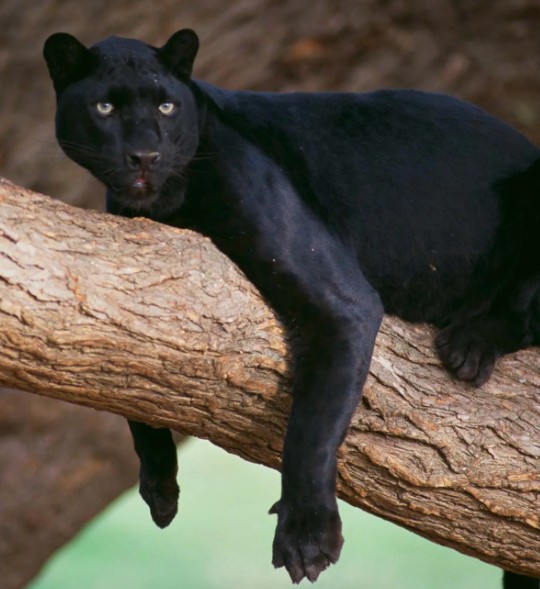
Michael created a modern approach to the Development Squads. No longer to be known as Development Squads or even Academy, a new name was provided, Na Cait Og and an appropriate identity with what looks like a jet-black panther. A set of principles and standards to support were issued. The supporting graphics were modern and alluring. The structures Michael put in were fresh and right for Kilkenny and complemented the promotional glitz. Removing the term Development was essential. As stated, Development does take place and is important but calling squads the Development Squads when the reality is that the bulk of development lies elsewhere misleads expectations. Academy is so military. Na Cait Og gave young Kilkenny players their own unique identity. Michael is an incredible communicator. One could not be but impressed with his approach and enthusiasm. It refreshed me listening to him. Yes, he had the background of numerous All-Ireland medals, but he was not abusing it, he was using it to drive Kilkenny forward. After a year on the sideline, I was back doing stats and analysis with plenty of scope to make as much of it as I could for the benefit of Kilkenny hurling, thanks to Michael Fennelly.
My approach to Stats and Analysis is simple enough. To me the analysis is the key. I have often been asked “what is the score?” during a match and I cannot answer without adding up marks on a page, There is a referee and a scoreboard keeping those numbers in real time. All-Ireland semi-final 2025 against Tipperary aside! I am interested in outcomes and relevant actions. I always tell the management to focus on their key perceptions. They may be correct and they may not be. The next step is to collect the numbers/data to prove or possibly disprove the perception. Then the next step is to do an initial analysis of the data and provide the management with that and the data so that they can do their analysis. The next step is to identify actions to rectify the perception if necessary. This is where the player knowledge of the management team is key. Then it is important to restart the cycle for continuous improvement; Perception – Data – Analysis – Action.
There can be two forms of action. The easy one is where you have time to take the findings back to the training ground. The more challenging one is where you want in-game dynamic actions. This is where I believe somebody like Paul Kinnerk excels. However, both require a very good relationship with the management especially for in-game decisions. I do feel every coach involved with Kilkenny is brilliant at bringing things back to the training ground to fix. Bearing in mind sometimes a fix can break something else. The dynamic changes will always be more challenging. I have had the pleasure since 2024, (now hitting 20 years involved in the squads) of working with some very good forward-thinking managers such as Fergal Brennan (O’Loughlin Gaels), John Costello (St. Lachtains), Tom Brennan (Barrow Rangers), John O’Grady (Blacks and Whites) and Tom Hogan (Dicksboro) who appreciate the value of good and relevant information.
2024 was very successful, being in the background for the Celtic Challenge All-Ireland winning team while the Under-15s were beaten in the Arrabawn Final. A lot was learned. Unfortunately, 2025 was not as successful, but even more was learned, particularly from an analyst point of view. So far in 2026, and in the absence of Michael Fennelly, I have only been called in by the Under-15 management. I do worry that the loss of Michael has led to less emphasis on tactical performance. There are a few others who have followed my lead in data collection and analysis like Thomas O’Brien (Dunnamaggin) and Ronan Tierney (Graignamanagh). These are good people who should be utilised. The county needs more. Strength and conditioning are pretty much at their limit. Knowledge and mental awareness are the tie breakers now.
Strange as it may seem, in game, I am a pen and paper person, not an iPad person. Strange in that I am an I.T. person. When you are in a match situation, you have to play that match on the spot. The game is dynamic. There is no time for backspace or delete. I don’t recall Paul Kinnerk with an iPad during the match and he has to be the standard, for now. I find it also interesting that you mostly see Kinnerk on the sideline shoulder to shoulder with John Kiely, whereas many other teams have their key analyst up in the stands, possibly blowing the ear off the manager through headphones. It shows the important bond and trust required between the analyst and the manager.
Statistics can lead you to make a decision. They can support a decision, but during a match always respect instinct. Do not bury things in pure numbers, Sometimes your instinct is right. The key to success is delivering good analysis skills and quickly during a match. This is the area, I enjoy. If your stats person is purely number crunching, it means you are relying 100% on your instinct during a game. Balance is required, as in the “Karate Kid”. As a team manager, make sure you know you what want from your stats person. Performance Analysis is key to the future and Performance Analysts can contribute a lot more in game than your strength and conditioning coach. It’s an area of skills, Kilkenny and the clubs need to expand,
Opportunity
Whilst the ambition was always to be involved with the highest team possible and obviously this did not happen. Opportunities did present themselves. After Brendan O’Sullivan stepped down in 2017 as chairperson of the Development Squads, County Chairman Ned Quinn approached me take on the role. Timing was not great as I was recovering from a serious health issue which made me treasure moments on the pitch/sideline all the more. I turned it down mainly on the basis that every moment on a sideline was important and could be the last. I did somehow end up as Secretary for a period, but it was effectively a role in name only. Do I regret not taking a more dynamic and influential role as chairperson? There are certainly times, but those times are softened by the thought that I was lucky to be alive and have the opportunity to pace a Kilkenny sideline. Sheila my wife, is a great administrator, proved in her term as chairperson and secretary of Kilkenny Camogie Board. She brought back Ann Downey who subsequently brought in people like Brian Dowling and Camogie All-Irelands returned to Kilkenny after a “famine”. We would often bounce thoughts off each other. I was the games expert, but she was the rules and moral expert and we helped each other in that respect. I think we have contributed to each other’s successes and subsequently are both aware of the challenges facing both administrators and coaches, I think probably better than any other couple in the county. Of course that doesn’t mean we find common ground on every item, but to fair, I can safely say those items are the minority and all contentious issues do require some consensus. Having seen the grief and workload administrators have to do and put up with first hand, even during successful times, it just wasn’t the right time for me.
One thing I did succeed in achieving, but unfortunately only temporarily, was to combine, the Paddy Grace Feile tournament (when it was still Under-14) with county trials and grading for the Under-14 championship. I presented the plan at several meetings including Bord Na nÓg. I think the county Board/Bord Na nÓg were wary of the new concept and were happy if responsibility of any failure sat with me rather than them. The amalgamation of Feile and Squad selection was intended to remove club politics, identify the better players (elite) or the player with the potential to become one of the elite quicker. It would give every player up to the age Under-14 in the county the opportunity to be selected by playing up to 4 club blitz matches with their own club mates around them over two weekends. Playing with the lads around you that you already know is a more relaxing environment to excel. If you are selected you would get to know the lads from other clubs over time.
This idea came from my experience going for an Under-21 trial back in the day. I was in corner forward with two lads from Glenmore. One was Johnny Murphy who later did make the Kilkenny senior team. The two Glenmore lads continually passed the ball between themselves during the trial game. I think Ray Heffernan might have been supplying them. I hardly saw the ball. I’m sure the selectors would have been bemused when there was a free for my team in the last minute on the 21-yard line dead straight in front of the goal and I ran up and blasted it over the bar before anyone else could react. It was about the only touch I got and it was a point! I knew from then, having a clubmate close by, who knew your game and understood you was important for county trials. Many players perform much closer to their ability with their club mates around them.
Using the Feile tournament, meant all games should take place in a competitive environment. With the games over two weekends, it allowed for a player who may be sick or unavailable or maybe even have a “bad day” to still have a chance to be seen on one of the weekends. All Development Squad coaches were involved in the selection process so it helped the coaches of older groups understand the starting point. The format of the competition meant, by the time you got to your last game you were guaranteed to be playing the team closest in ability level to your own and that process got clearer after each game.
It was an ideal format for the smaller clubs to get proper exposure for their best players. It worked well the first year. The second year not so much as ironically, the smaller clubs were pulling out. Smaller clubs also have smaller minds when it comes to giving their best players every opportunity. There is a sense of inferiority in these clubs and over protectiveness of their players. They fear if their player ends up with the county, they’ll never see them. As has been already noted in this article, it is the club that still has the most exposure to the players. Ultimately, the idea which was planned to provide a better bond between squads and the clubs failed thanks to the lack of buy in from the clubs. The presentation maybe needed to be done every year! Credit to Michael Fennelly who introduced a version of this as trials for Under-14 when he came on the scene.
Modern Game
“Modern Game” – That’s an interesting phrase. Every type of game is modern at one stage. It’s like the phrase I reply with when people younger than me pick up on things that I like the “old” way. “You are the dinosaurs of the future!” I suppose the “modern game” really refers to the predominant type of game of the moment. As we know, that can quickly change. The Development Squad coaches of now and into the future will have to adapt for a game that has become more scientific and tactical than that of the past. Education is important, but education takes many forms. You can learn as much from the successes and failure of others as you can from formal education. You can and must learn from your own successes and failures. You must always ask yourself the questions and be prepared to accept you make not like all the answers.
We hear so much about the “short game” these days and Kilkenny’s ability to adapt to it. I was at the Kilkenny v Dublin game in Parnell Park. I believe, Kilkenny’s main problem with the “short game” was the same as it has been since the “short game” emerged. What do you immediately think of when you hear the phrase “short game”?…
Generally, when Kilkenny people think of the “short game”, the first reaction is always the short puck out and/or use of the sweeper. Whereas the biggest issue is defending the oppositions “short game”. In Kilkenny we talk about controlling the controllables. We have given away controlling of defence while trying to become accustomed to a type of an attacking game that is alien to our culture. It is forcing us on to a constant back foot. Other counties are more adept in football skills than we are. They play it more as young players. Off the shoulder running is natural part of their game and more often than not, they attack straight down the middle at the heart of our defence. Meanwhile, how often do you see Kilkenny play a “short game” that is more like soccer, the big ball game of choice in Kilkenny? Lots of passing across the back lines with a view to keeping possession. If we do attack with a running game it is inevitably down the wings towards the corner flag (People should listen to Jim Neary in relation to where the goalposts are!) with a view to crossing and getting a header at the back post! Sorry, I got carried away, but I think you get the drift. The cross only comes if we are not already shunted over the sideline.
We have supporters and club people going crazy about the short passing at the back. This is where I come to a controversial view for majority of club people in Kilkenny. Getting back to the game in Parnell Park. I believe if you look back you will see a number of examples of what I just mentioned and I’m sure you and your friends have all been firing the same justified criticisms. All good club and county supporters. A couple days after the game in Parnell Park. I was at a Junior match between Piltown and Conahy Shamrocks. I listened to the same complaints about Kilkenny on the sideline. Within the first ten minutes, both teams had gone with short puck outs. Both had played the passing around the backs routine. Both had attacked down the wings. Sorry to be picking on both these teams, but I have no doubt every club team in Kilkenny is doing the same thing. At junior level, application is obviously extra poor, but I have no doubt, it is similar the whole way up to senior when it comes to the “modern game” aka “short game”. This is just one aspect of the “modern game” worth picking up on.
Clubs
This is why, what clubs do, is important for the county team. Remember as we have established, clubs do the most development of players. It is a fact that has to be accepted by everyone. We in Kilkenny are under the impression that our clubs are flying. We’ll be told look at the club championships. Ok, let’s do that…
The Blue Riband and standard bearer is Senior. Since Kilkenny last won an All-Ireland hurling championship only Ballyhale Shamrocks have won the senior All-Ireland. It’s over 20 years since a Kilkenny club other than Ballyhale Shamrocks won the All-Ireland title. In the previous 20 years (remember the era when clubs were solely responsible for developing players), four Kilkenny teams took the All-Ireland title. In the last 20 years, three clubs have won Leinster. In the previous 20 years, 7 different Kilkenny clubs won Leinster! It is a clear drop and looking like a drop that will continue to trend unless clubs react. Ballyhale Shamrocks have been a wonderful and proud outlier for Kilkenny. I am a huge admirer of them going all the way back to the 80’s. Have they been hiding real issues in clubs similar to Ballygunner in Waterford? Take them out of the roll of honour and look at the numbers again.
People will defend the clubs by saying look at the Intermediate and Junior All-Ireland winners (Both competitions only in existence for a little over 20 years). It is absolutely brilliant for these clubs. However, saying it is a sign of an overall healthy club situation on the pitch is akin to saying the Joe McDonagh and Christy Ring winners are standard bearers for the Liam McCarthy! We have all seen the vast majority of Joe McDonagh winners going straight back down the following year. Yes, within the context of that level, it is great, but I doubt few people in Kilkenny want to be measured by the second and third tier successes in hurling.
The clubs of Kilkenny need to react at all grades. The trend is not positive at the moment. People are quick to say the County Board and Development Squads people have taken their eye off the ball. To be fair, there is some justification. However, the clubs have taken their eye off the ball even more so. They are in denial of their role in turning the fortunes of the representative team around. Kilkenny must have clubs and county working together with an understanding. Both maybe accused at pointing the figure at each other. Most relationships break down if parties are pointing the finger at each. It has to stop and solutions and responsibilities need to be clear. The clubs need to accept they are a part of the problem. Nothing will change until that happens! They also have the power to become part of the solution.
When the clubs come on board, the county must work to facilitate the clubs to be the best they can be again. I know that when Michael Fennelly was Performance Lead, he was very keen to generate that synergy between county and club and had started the process at underage with a number of workshops. This needs to continue regardless of who is the leader. If it is not being done at county level, it should be demanded by the clubs and entered into with an open mind and enthusiasm. The few club officers around the county who might read this, I’m sure, will feel quite insulted, given all the work they are doing. It is not intended to under value their work but remind them of the bigger picture. There are ways to spread the workload and get the more forward-thinking people in your club involved in games development. Let the builders build and the coaches coach.
In my opinion, Clubs must stop the talent drain from their clubs. They need to get all these coaches that are going to other clubs for a fee, to come back and do underage development in their own backyard. If it is a money thing, maybe the clubs should consider investing with their own for their own, rather than paying other people whose main goal is results for the main adult team and not overall development. The vast majority of clubs in Kilkenny are well setup for facilities at this stage. If people think money is required, then Clubs need to make the decision, more facilities or better player development. I would about argue the money thing, but everyone else is adamant money is required, so unfortunately, we might have to listen to the room. If your club hasn’t got someone currently out coaching or managing with another club, then maybe this is a red flag, that your coaching structure, within your own club is not in good shape to allow these people exposure and reputation enhancement. I know it is a contradiction, but in the current environment, if no other club is interested in my coaches, based on what they see of my teams, there must be something wrong with my coaches!
I’m just touching on the club issue here. If you are in the stream of the “Development Squads are not working”, then you have to look at the club situation as this is the obvious landing place. Maybe the county underage management should be just about picking teams, putting the pieces of the jigsaw in the right place and send the development back to the clubs like in the 1980’s. I personally, believe every club should have their own Performance Lead Officer/Analyst. What that entails, I will leave for another day.
Development Squads
So where does all that leave Development Squads? Given the level of development that can be done with the players, the word development is a reach and probably always has been. Na Cait Og is a better name but the same question exists? Should we go back to the clubs and hand the full development responsibility back to them and Na Cait Og, just puts the pieces of the jigsaw together or the icing on the cake for the underage national day? Are club’s setup to take on that responsibility like it was in the 1980s and 1990s which produced the “golden generation”? A lot of these people are the ones who saying we should move forward, even though backwards might actually be the solution they want. Maybe Kilkenny should completely forget about the underage tournaments and that includes minor while it is Under-17 (they are legally children)? Do parents or club members want to eliminate the option of playing underage for Kilkenny and take away that ambition and put stronger development in place for the graduation to adult hurling? Would the clubs consider giving even more time to the county setup for their elite players? Who is best positioned to decide the Kilkenny style of play for the “modern game”, the county or the clubs? How often do clubs actually discuss hurling itself with their members in a formal way?
The bottom line is that Kilkenny hurling is not owned by any group other that the greater Kilkenny club membership. They must articulate what they want and how they want to achieve it. Then those who are given the responsibility to deliver need to be trusted and supported. If that is the actual clubs, I suspect the key will be the cessation of the talent drain of coaching talent into the commercial markets. Not an easy challenge from the clubs.
Conclusion
I don’t expect this piece will gather much traction. GAA is not my only hobby. It is sad if the GAA is your only hobby. I am writer so I am used to the file under the desk. I’m sure the anonymous handles on various social media won’t be moved from their entrenched views, often based on not having the full facts and this is just a taster anyway. If I knew who they were I’d challenge them to an arm wrestle, literally. I’m sure the vast majority who read to the end, will have already said, “Who does he think he is?” If you haven’t figured it at yet, you might want to read this again. I would wager that there is not a more comprehensive record of Kilkenny Development Squads anywhere.
Some will ask the obvious questions. If I am so qualified to write such a piece as this, how come I haven’t been utilised by my club or achieved that much sought after higher inter-county role I yearned for. The easy answer might be “A prophet is not without honour except in his own country” [Matthew 13:7] or “They are darkened in their understanding” [Ephesians 4:18]. The reality is that those are questions for the people who made those decisions or not as the case may be. If you do find out, please let me know and you can decide if it is justified. Then again, I suppose a similar question could be posed to many critics who have failed to get traction on their ideas at club level.
The other question is, what is my agenda? Everyone has one. Mine is simple but very contradictory. I am a fiction writer who wants to get writing exposure at every chance. Yes, a fiction writer, selling his fiction skills with facts. I’m not oblivious to the contradiction. They do say fact is stranger than fiction. Does this factual piece support my fictional skills? Nobody can deny Development Squads is something that I have been passionately immersed in for two decades. Is there much more to the story? A sequel even? If you are a publisher or theatre director and come across this, please read my fiction. Believe me, it is way stranger!
At the moment, being a Development Squad coach in Kilkenny is like having an addiction and living in fear of being outed. That fear allows the narrative to become a cancer on Kilkenny hurling. Time is right to balance the narrative and ignite an honest and open discussion and not a one-sided soap box. If you are not prepared to openly contribute, from the individual club member up, then you are not part of the solutions. My drivers as always, was to contribute to Kilkenny GAA, to facilitate the players in my care to be the best hurlers and people that they can be. For me that requires me to be the best I can be and always be prepared to evolve with the game I love. Win is important, not at all costs, but with every ounce of honest energy I can give. My rewards over the years were seeing the successes of the players who went through the system and proudly wore the Kilkenny senior jersey. Moreso, the greatest reward is when a player regardless of how far he went in Kilkenny hurling, remembers me and acknowledges me. Possibly remembering some of the pre-tournament motivational stories I told. Or when I meet a coach that I worked with and we share thoughts on the current state of all levels of Kilkenny GAA as good friends. Those are the real deals! A buzz that is hard to match in any walk of life.
This is a summary article of a lot of detail. The audience will decide if they want to hear more, but for now, here are some statistics (Hurling Only). Sorry if the numbers are not as high as you would have liked from a Kilkenny Development Squad Coach. They are the facts!
Stats
- Players Coached in Development Squads = 1231
- Went on to Play Senior For Kilkenny = 106 (8.6%)
- Development Squad Match involved as a coach (including blitz games) = 173
- Development Squad Matches Won = 103 (59.4%)
- Development Squad Matches Drew = 4
- Development Squad Matches Lost = 66
- Development Squad Match involved as a Stats/Analysis = 30
- Development Squad Matches Won = 21 (70%)
- Development Squad Matches Drew = 2
- Development Squad Matches Lost = 7
- All-Ireland Senior Medals = 2
- Leinster Senior Medals = 127
- National League Medals = 12
- Walsh Cup = 7
- All-Stars = 5
- Young Hurler of the Year = 4
- Years Involved = 20
- Tony Forristal Cup = 1
- Sonny Walsh Cup = 1
- Adrian Murray Shield = 1
Acknowledgement: To all the Development Squads coaches that I have worked with in whatever capacity (not all mentioned here), team managements, physios, stats people, county board staff, development officials and administrators. Outside tutors and workshop presenters, referees, club officers and groundsmen. Players and their parents, guardians and supporters. The opposition even. Most of all, without doubt, my family, all of whom have their own GAA story. Thank you everyone. My hobby could not have been enjoyed without all of you.